Gratitude: The Habit That Changes How You See Everything
Jun 11, 2026
Gratitude doesn't change your circumstances. But it changes how you experience them.
Many women are not lacking blessings. They are lacking the margin to notice them. And sometimes the biggest perspective shift comes from simply paying attention to what is already good.
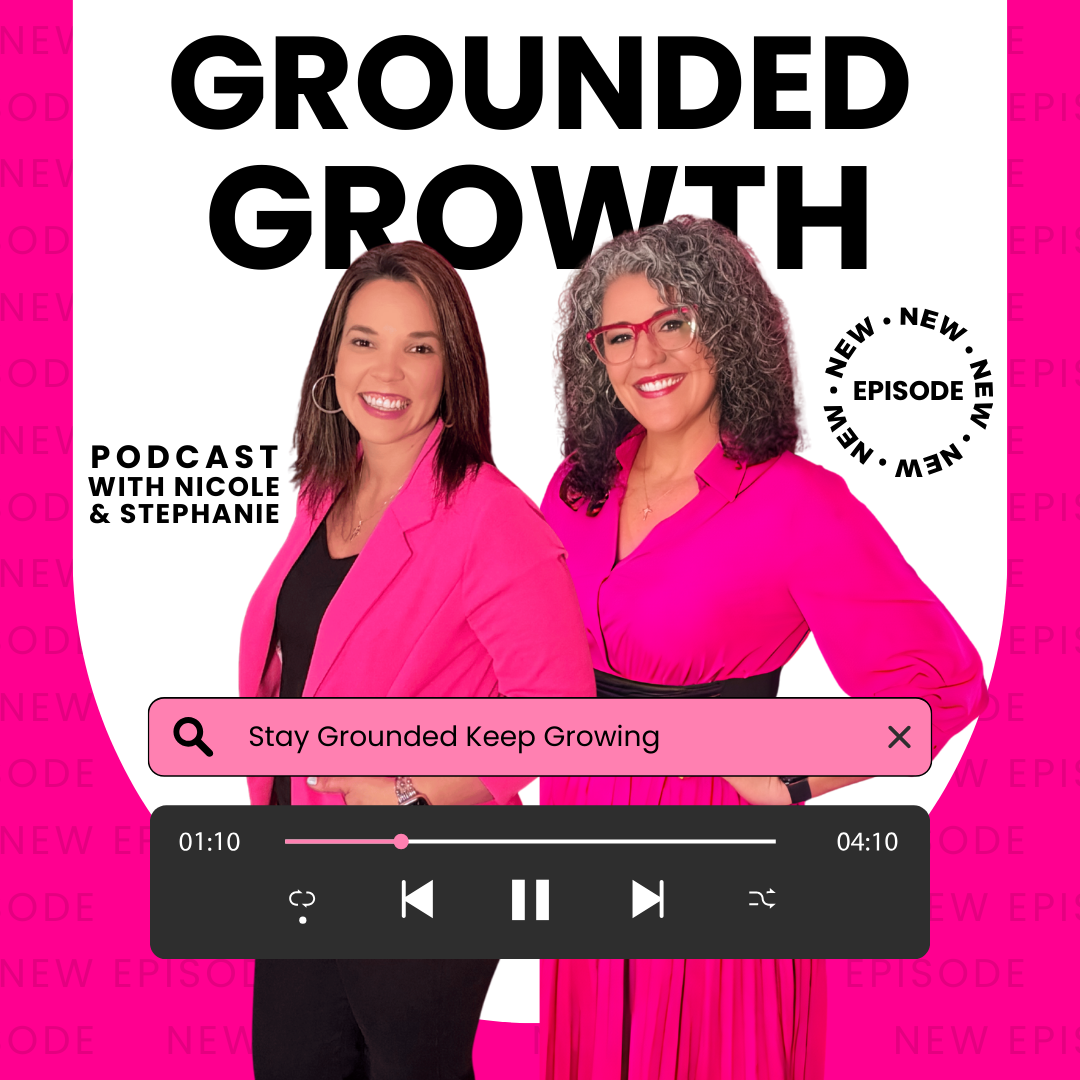
In Episode 23 of the Grounded Growth Podcast, the final episode of our Faith Foundations series, Nicole and Stephanie talk about why gratitude can feel so difficult, what quietly happens when we don't practice it, what gratitude actually does in our hearts and minds, and simple habits that begin to reshape how we see our entire life.
Why Gratitude Can Feel Difficult
Gratitude can feel hard. Not because we don't want to be grateful, but because life feels full.
There are real pressures, real responsibilities, real struggles, and sometimes gratitude can feel almost out of reach in the middle of that. Our natural tendency is to notice what's missing before we notice what's present. We see what didn't get done, what didn't go as planned, what we wish looked different. And over time, that becomes our default lens, focusing on the gaps instead of the gifts.
Comparison plays a role too. It's hard to feel grateful for what you have when you're constantly looking at what someone else has.
Nicole names a few more reasons gratitude can feel difficult. Our brains naturally focus on problems first. High-capacity women often move quickly from one goal to the next without celebrating the wins along the way. We normalize good things instead of celebrating them. And stress makes it harder to notice what is going right.
We also sometimes assume gratitude is something that just happens naturally, when in reality, it's something we have to intentionally practice.
What Happens When We Don't Practice Gratitude
When gratitude isn't something we're practicing intentionally, it doesn't stay neutral. It actually begins to shift how we see our lives in ways we may not even realize.
Negativity becomes louder than progress. Stress feels heavier than it actually is. Joy becomes inconsistent instead of steady. And we can lose perspective on how far we've come.
It becomes easy to slip into a mindset of lack. We start to feel like what we have isn't enough, or like we're always behind in some way. Even good things start to feel ordinary or overlooked because we're so focused on what's next. This is where discontentment quietly grows. Not always loudly, but subtly, over time.
And it affects more than just our thoughts. It impacts our emotions, our relationships, and how we show up in our daily lives. We can become more frustrated, more restless, and less present. The hard part is that nothing externally has to change for that to happen, it's all happening internally.
What Gratitude Actually Does
This is where the episode reframes everything.
Gratitude is not ignoring hard things. It's choosing to also see the good.
Gratitude has a way of grounding us in the present moment. It pulls us out of constantly looking ahead or comparing behind, and brings us back to what is right in front of us. It also shifts our perspective from scarcity to provision. Instead of asking, "What am I missing?" we begin to see, "What has already been given?"
Gratitude creates space for peace. Not because everything is perfect, but because we're recognizing what is still good even in the middle of what feels hard. It softens our hearts. It makes us more aware, more present, and more connected to what truly matters.
Gratitude shifts perspective. It builds emotional resilience. It increases contentment. And it helps you lead from peace instead of pressure.
Over time, gratitude begins to shape how we see our entire life. Not just moments here and there.
Simple Gratitude Habits That Change Perspective
Nicole and Stephanie share simple, sustainable gratitude habits, the kind you can actually keep:
Write down three things you are thankful for daily. Not big, extraordinary things. Just simple, everyday gifts. When you see it on paper, it reinforces what might otherwise be overlooked.
Celebrate small wins instead of skipping past them. High-capacity women often move quickly from one goal to the next. Pausing to celebrate a win, even a small one, retrains your brain to notice progress.
Pause in the middle of your day. Especially when things feel overwhelming, ask yourself, "What is still good right now?" That single question can shift your entire afternoon.
Tie gratitude to routines you already have. Try it during your morning coffee, your commute, or your nightly reset. These small rhythms don't feel like much in the moment, but over time they begin to reshape how you naturally see your life.
Use journaling practices like ROOTS to reflect on truth and blessings. The ROOTS Morning Journal pairs scripture, reflection, and gratitude into one daily rhythm so the habit becomes something you don't have to remember to do.
The Faith Layer: Gratitude Protects Your Heart
1 Thessalonians 5:18. Give thanks in all circumstances; for this is the will of God in Christ Jesus for you.
This verse is so important because it doesn't say for all circumstances. It says in all circumstances. That means gratitude isn't dependent on everything going well. It's a posture of the heart that we carry, even when life feels uncertain or difficult.
Gratitude protects our heart because it keeps us anchored in what is true about God. His goodness. His provision. His presence. It shifts our focus from what we don't understand to what we know to be true. And that's where real peace begins, not in having perfect circumstances, but in having a steady perspective rooted in Him.
Gratitude becomes an act of trust. A way of saying, "God, even here, I see You. Even here, I trust You."
It also reminds us what is already working. It helps us stay grounded in seasons of uncertainty. And when gratitude becomes that kind of practice, not occasional, but consistent, it begins to change not just how we feel, but how we live.
In This Episode, You'll Hear
- Why gratitude can feel hard, even when we want to be grateful
- How our brains default to noticing what's missing
- What quietly happens when we don't practice gratitude
- What gratitude actually does for your perspective, emotions, and peace
- Five simple gratitude habits that change how you see your life
- How 1 Thessalonians 5:18 reframes gratitude as a posture, not a feeling
- Why gratitude is a spiritual practice, not just a mindset shift
Continue the Conversation
If this episode resonated with you, here are a few next steps:
- Listen to the Podcast. You can listen to Episode 23 and explore the full Grounded Growth podcast here: www.groundedgrowth.org/podcast
- Start With One Good Thing This Week. Pause at the end of each day and name one good thing. Not the highlight reel. Just one good thing. Watch how that small habit begins to shift your perspective.
- Grab Your Weekly Reset. Our free Weekly Reset guide helps you plan your week with intention instead of reaction: www.groundedgrowth.org/WeeklyReset
Stay grounded and keep growing.
Browse Our Complete Blog Series
See all our blog posts on how it's about showing up consistently and trusting that small steps create lasting change.